Demolition Waste Removal in Regents Park: Efficient and Eco-friendly Solutions
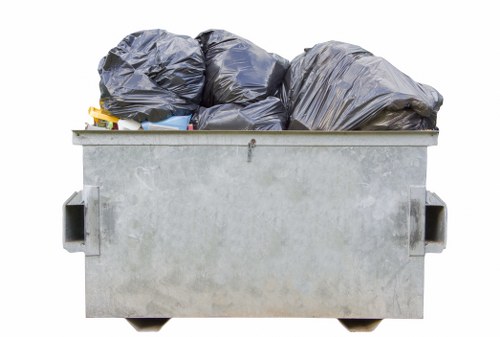
Demolition projects in Regents Park require meticulous planning and execution, especially when it comes to waste management. Proper demolition waste removal ensures that construction sites remain safe, environmentally friendly, and compliant with local regulations. Whether you're undertaking a small renovation or a large-scale demolition, understanding the best practices for waste removal is crucial.
Regents Park, known for its beautiful landscapes and historic buildings, demands that demolition waste be handled responsibly. This not only preserves the aesthetic appeal of the area but also minimizes the ecological impact. Effective waste removal strategies can significantly reduce the carbon footprint of construction activities.
In this comprehensive guide, we will explore the various aspects of demolition waste removal in Regents Park, including the types of waste generated, the importance of proper disposal, and the benefits of hiring professional services.
Understanding Demolition Waste
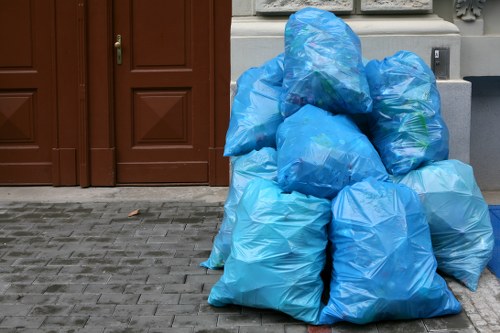
Demolition waste encompasses a wide range of materials resulting from the teardown of structures. Common types include concrete, wood, metals, plastics, and hazardous materials like asbestos. Each material requires specific handling to ensure safe and effective disposal.
Recycling plays a significant role in waste management, allowing materials to be repurposed and reducing the need for new resources. For instance, metals can be melted down and reused in new construction projects, while wood can be processed into mulch or reclaimed for other uses.
Identifying and segregating different types of waste is the first step in the demolition process. Proper classification ensures that each material is processed appropriately, minimizing environmental impact and promoting sustainability.
The Importance of Proper Waste Removal

Proper demolition waste removal is essential for several reasons. Firstly, it ensures compliance with local regulations, which often mandate specific disposal methods for various types of waste. Non-compliance can result in hefty fines and legal issues.
Secondly, responsible waste management protects the environment. By reducing landfill usage and promoting recycling, demolition projects contribute to a more sustainable future. This is particularly important in areas like Regents Park, where preserving green spaces and natural beauty is a priority.
Additionally, efficient waste removal enhances site safety. Accumulated debris can pose hazards to workers and the surrounding community. A clean site minimizes the risk of accidents and promotes a more organized workflow.
Services Offered in Regents Park

Several specialized services cater to demolition waste removal in Regents Park, ensuring that each project is handled with expertise and care. These services typically include:
- Waste Collection: Systematic collection of demolition debris from the site.
- Sorting and Segregation: Separating different types of materials for appropriate recycling or disposal.
- Transportation: Efficient logistics to transport waste to recycling centers or disposal facilities.
- Recycling Services: Processing materials to be reused in future construction projects.
- Hazardous Waste Management: Safe removal and disposal of hazardous materials like asbestos.
Choosing a service provider that offers comprehensive solutions can streamline the demolition process, making it more efficient and environmentally responsible.
Eco-friendly Demolition Waste Practices

Adopting eco-friendly practices in demolition waste removal is increasingly important. Sustainable methods not only reduce environmental impact but also contribute to cost savings in the long run. Key practices include:
- Material Recycling: Reusing materials reduces the need for new resources and minimizes waste.
- Energy-efficient Transportation: Using vehicles that consume less fuel lowers the carbon footprint.
- Proper Disposal of Hazardous Materials: Ensuring that dangerous substances are handled safely prevents environmental contamination.
- Waste Minimization: Planning the demolition to produce as little waste as possible.
- Use of Sustainable Materials: Incorporating recycled or eco-friendly materials in new construction.
Implementing these practices in Regents Park aligns with the community's commitment to sustainability and environmental stewardship.
The Process of Demolition Waste Removal
The demolition waste removal process involves several critical steps to ensure efficiency and compliance:
- Assessment: Evaluating the site to identify types and quantities of waste.
- Planning: Developing a waste management plan that outlines collection, sorting, and disposal methods.
- Execution: Implementing the plan during the demolition, ensuring safety and minimal disruption.
- Transportation: Moving the waste to appropriate facilities for recycling or disposal.
- Monitoring: Continuously overseeing the process to address any issues promptly.
A well-structured process minimizes delays, reduces costs, and ensures that all waste is handled responsibly.
Benefits of Professional Waste Removal Services
Engaging professional demolition waste removal services offers numerous advantages:
- Expertise: Professionals have the knowledge and experience to handle various types of waste effectively.
- Efficiency: Skilled teams can complete the removal process quickly, saving time and resources.
- Compliance: Ensures that all activities adhere to local regulations and environmental standards.
- Safety: Reduces the risk of accidents by managing hazardous materials properly.
- Cost-effective: Prevents potential fines and reduces the long-term costs associated with improper waste management.
Choosing a reputable service provider in Regents Park can significantly enhance the success of your demolition project.
Choosing the Right Waste Removal Company
Selecting the appropriate waste removal company is pivotal for the smooth execution of demolition projects. Consider the following factors:
- Experience: Look for companies with a proven track record in demolition waste management.
- Certifications: Ensure that the company complies with industry standards and holds necessary certifications.
- Services Offered: Assess whether the company provides comprehensive services that match your project needs.
- Customer Reviews: Check testimonials and reviews to gauge the company's reputation.
- Pricing: Compare quotes to find a service that offers good value without compromising quality.
Taking the time to evaluate potential companies can lead to more effective and stress-free waste removal.
Cost Factors in Demolition Waste Removal
The cost of demolition waste removal can vary based on several factors:
- Volume of Waste: Larger projects generate more waste, increasing disposal costs.
- Type of Materials: Hazardous materials typically require specialized handling, which can be more expensive.
- Accessibility: Sites that are difficult to access may incur higher transportation costs.
- Location: Proximity to recycling centers or landfills can affect pricing.
- Additional Services: Extra services like sorting, recycling, or temporary storage can add to the overall cost.
Understanding these factors helps in budgeting and selecting the most cost-effective waste removal strategy for your project.
Regulations and Compliance
Compliance with local regulations is mandatory in demolition waste removal. In Regents Park, specific rules govern how different types of waste must be handled. Key regulations include:
- Waste Disposal Permits: Obtaining necessary permits before disposing of certain materials.
- Environmental Standards: Adhering to guidelines that protect the environment during the demolition process.
- Health and Safety Regulations: Ensuring the safety of workers and the public by following safety protocols.
- Recycling Requirements: Mandating the recycling of specific materials to promote sustainability.
- Reporting Obligations: Keeping detailed records of waste management activities for accountability.
Staying informed about and compliant with these regulations prevents legal issues and fosters responsible waste management.
Innovative Technologies in Waste Removal
Advancements in technology have transformed demolition waste removal, making it more efficient and environmentally friendly. Some of the innovative solutions include:
- Automated Sorting Systems: Utilizing machinery to sort waste materials accurately and quickly.
- Mobile Crushing Units: Breaking down large debris on-site, reducing transportation needs.
- Tracking Software: Monitoring waste removal processes in real-time for better management and transparency.
- Eco-friendly Transportation: Using electric or hybrid vehicles to minimize carbon emissions.
- Advanced Recycling Techniques: Enhancing the ability to recycle complex materials effectively.
Incorporating these technologies can significantly improve the sustainability and efficiency of demolition projects in Regents Park.
Case Studies: Successful Waste Removal in Regents Park
Examining real-life examples provides valuable insights into effective demolition waste removal practices. Here are a couple of case studies from Regents Park:
Residential Building Demolition
A local contractor successfully demolished a 10-story residential building, implementing a comprehensive waste removal plan. By segregating materials on-site and partnering with recycling facilities, they reduced landfill waste by 60%. The project adhered to all local regulations, ensuring minimal environmental impact.
Commercial Complex Demolition
Another project involved the demolition of a large commercial complex. The waste removal team utilized advanced sorting technologies and sustainable transportation methods, resulting in a 75% recycling rate. Their efficient process minimized project delays and maintained the aesthetic integrity of Regents Park.
These examples highlight the importance of strategic planning and professional execution in achieving successful waste removal outcomes.
Future Trends in Demolition Waste Removal
The demolition industry is continually evolving, with new trends shaping the future of waste removal:
- Circular Economy: Emphasizing the reuse and recycling of materials to create a closed-loop system.
- Smart Waste Management: Leveraging IoT and data analytics to optimize waste removal processes.
- Green Building Practices: Integrating sustainable materials and methods in demolition and construction.
- Increased Regulation: Anticipating stricter environmental regulations requiring advanced waste management solutions.
- Public Awareness: Growing community support for environmentally responsible demolition practices.
Staying abreast of these trends ensures that demolition waste removal services remain effective and aligned with sustainability goals.
Conclusion
Demolition waste removal in Regents Park is a critical component of responsible construction practices. By understanding the types of waste, adhering to regulations, and utilizing professional services, projects can achieve efficiency and sustainability. Embracing eco-friendly practices and innovative technologies further enhances the positive impact on the community and environment.
If you're planning a demolition project in Regents Park, ensure that waste removal is handled with expertise and care. Contact us today to book your service and take the first step towards a cleaner, greener future.